Tuesday, October 20, 2009
Navajo Nation Approval!
Congratulations to Diné College and Winona State University, and specifically to the students involved in the collaboration project between the two schools this past summer.
Today (Tuesday, Oct. 20, 2009) the Navajo Nation Human Research Review Board unanimously approved the final report and approved the publishing of the student projects. Board members are pleased that the projects will be distributed to the elders involved and published in variety of ways so people can see and learn from them.
My faculty colleague from Diné College, Miranda Haskie, and I are planning celebratory receptions to debut the projects and honor the students' hard work. We want to host a reception at both institutions, and hope to have students from both schools present at each event.
The first reception will be held Friday, Nov. 13, on the Winona State University campus, and the second on Monday, Nov. 16, at the Diné College campus in Tsaile, Arizona. Both receptions will begin at 5 p.m.
Parents and friends of the students are invited to attend the receptions.
At each reception, there will be a few brief congratulatory speeches, and several of the projects will be shown. Then the participating students will each be asked to offer their comments about the project and their efforts.
At about the same time of the receptions, plans call for the pieces to be published on the Winona360 web site (a WSU Mass Communication department site dedicated to showcasing student projects), as well as by the Winona Daily News and the Navajo Times newspapers.
These important Navajo Oral History projects will be archived for all time at the Navajo Nation Museum, Navajo Nation Library, and at Winona State University and Diné College.
As soon as the pieces are available for on-line viewing, I'll include links from here on this blog.
Thanks to everyone for their support during this project. The excellent work of the students has been recognized and rewarded.
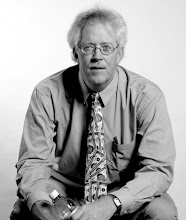
-- Tom Grier, Winona State University
Wednesday, September 23, 2009
The Next Step
The DVDs are done are they look great.
Last week, I created a two-disc DVD set which included all the student-produced videos from the summer Travel Study Navajo Nation Oral History projects.
On the DVDs were the Living History features on the Navajo elders. These are documentary videos of between eight and 20 minutes. The DVDs also contain the Media pieces on the elders, which are much shorter, generally four minutes or less focused on one main aspect of the elder's life story.
A couple projects are well-edited videos with live action footage, interviews and narration. A couple other features were SoundSlides projects: multimedia presentations that combine still photographs, music and audio.
I assembled packets that included the DVDs plus the written articles the groups created about the Navajo elders they interviewed, and one group's feature page which was a completely laid-out newspaper page including a feature article, headline, subheads, photos and captions.
All put together, it's an impressive package that really shows how hard the students in these collaboration groups worked to faithfully and respectfully tell the stories of these Navajo elders. I am so proud of their work, and am honored to be a part of their efforts.
Now, the next steps.
The packets were sent to the Navajo Nation. In mid-October, I'll travel to tribal headquarters in Window Rock, Arizona, and defend the projects in front of the Navajo Nation Human Research Review Board. Board members will have had time to review the work prior to my arrival. They'll ask some questions, and hopefully approve the projects so we can publish them and let all of you see them!
I sent a DVD to my colleague and faculty partner in this project, Dr. Miranda Haskie, a professor at Diné College. She and her family live on the Navajo Nation and have found ways to balance traditional Navajo culture with modern ways of living and learning. If you follow this blog, you've heard much about Miranda and her talented jewelry artist husband, Vernon.
She emailed me to say she and her family watched the DVD and were pleased with the quality of the production. She commented on how each project was done professionally and that each "attest(s) to the vibrancy of the Navajo culture."
Her positive comments mean so much to me and to the students. She validates the student's work. But, I want to be clear: none of the student's great work could have happened without Prof. Miranda Haskie's excellent and compassionate help and guidance.
There's so much more to say... but I'll save some of that for about 30 days from now.
On Oct. 20, Prof. Haskie and I will make our presentation to the Navajo Nation. Make a note to check this blog that day or the next. I'll be sure to let you know the outcome of that meeting.
I know it seems a long time to wait to see the fruits of these students' hard work. But, that's another aspect to this important project. From the very beginning we committed to doing everything correctly and honorably. We sought all the appropriate permissions. We filed all the required paperwork. And we honored all our commitments.
Many Navajos don't have much experience with descendants of Europeans actually doing what they say they're going to do.
Our Winona State University group, with the help of our colleagues and fellow students from Diné College, are trying to create a new way of understanding and relating between our cultures. This summer project has been a large step in the right direction.
Wednesday, August 19, 2009
Final Projects are Near
I've received emails from several people in the past week or so, asking about the progress on our Navajo Oral History projects.
I've spoken with many of the students in the past 10 days, either on the phone, via email, or by Facebook or Twitter messages. They assure me they are finishing up their projects, doing final edits, cleaning up some images, video or audio, etc.
As soon as I get the finished pieces from all five groups, I'll be showing them to Dr. Cindy Killion here at WSU for her opinion. Then, I'll package them and burn them to DVD and print any needed accompanying documents, and prepare to send the materials to the Navajo Nation Human Research Review Board. They'll have about three weeks to look them over. I'll make a presentation to them and hopefully receive resounding approval.
Pending approval, we'll plan and host receptions to show the work to all interested people, and present copies to the elders. Once that's complete, we'll find a way to post the projects for viewing either here on this web blog, or on the WSU MCOM Winona360.org web site.
I know many people are eager to see the student's work. I am too. I'll let you know when I have the projects in hand. As always, thanks for your support for this important project.
Monday, July 20, 2009
Final Drafts of Documentary Projects
Today (Monday, July 20), most of our class was able to meet in Winona, and connect with our colleagues in Tsaile, Arizona, via Interactive Television. We discussed each group's projects, made sure we had all release forms, rights forms and documentation. Then we looked at several of the projects that are near completion.
We saw several videos and some Soundslides projects which combine natural audio, music, text and still photographs into a multi-media presentation.
Wow! The projects are amazing. Thoughtful and insightful. After watching the pieces, we all felt we knew the elders featured a little better.
After we watched each piece, everyone offered constructive criticism. Only minor things need to be done to a few pieces; things like minor adjustments to sound volume or increasing the size of photo captions to ensure they are readable.
I know many blog readers are eager to see the results of the student's hard work. You'll get to see the projects as soon as possible. We still have an approval hurdle or two to clear before that can happen.
As part of seeking official clearance to do these projects on the Navajo Nation, we committed to show the projects to the Navajo Nation Human Research Review Board prior to any publishing.
The students will make final changes and edits to their pieces in the next couple weeks. Then, we'll take a week or so to prepare the packages that gather all the pieces into one easily-viewed DVD. We'll send copies of the DVD to the Tribal headquarters. It will take some time for the members of the HRRB to review all the materials. Professor Miranda Haskie of Diné College and myself will then appear before the board to hear their comments and seek their clearance.
Then, finally, we'll be able to publish the pieces, host celebration receptions, and give copies of the finished projects to the elders and their families.
We plan to publish the pieces on the WSU Mass Communication department's web site: Winona360.org. They'll also be given to Diné College, The Navajo Times, The Winona Daily News, The Navajo Nation Museum, and the Navajo Nation Library.
The students involved in this program have worked hard, from their initial research during spring semester well before our class began meeting, to the in-the-field interviews, and finally dozens and dozens of hours of transcribing, organizing, editing and producing their documentary projects. Their hard work has paid off... you'll see soon!
Monday, July 6, 2009
Chops Hancock: Many Faces of the Desert
William "Chops" Hancock lives in Winona, Minn., and is a semi-retired freelance photographer who works on projects that interest him both near and far. He has led a family citrus business in central Florida and worked as a photographer for National Geographic, Sports Illustrated, USA Today, Gannett Newspapers and many other publications.
He moved to Winona when he married his wife, Diana, and now serves on the Board of Directors of the Winona State University Foundation and the Mayo Foundation.
When he heard about the Winona State University Travel Study project to the Navajo Nation, he wanted to participate to record and document the activities of the students and the beauty of the people and the land.
This blog post contains a photo collection by Chops Hancock that he calls "Many Faces of the Desert."Several of these images are from the Chuska Mountains near Tsaile, Lukachukai and Cove, Arizona; a few are from around Window Rock, Arizona; several were created in Canyon Del Muerto, the northern fork of Canyon de Chelly in Arizona; and a few were taken in Chaco Culture National Historic Park, Chaco Canyon, near Nageezi, New Mexico.
Saturday, July 4, 2009
Editing, Re-writing, Proofreading
This week, students in the Navajo Oral Histories Travel Study class met twice via Interactive Television to look at first drafts of their projects and hear suggestions from each other for additional resources, improvements, edits, etc.
(photos by Chops Hancock)
The digital link between the Winona State University campus, in Winona, Minnesota, and the Diné College campus in Tsaile, Arizona, worked well. Students could see and hear each other, and we watched short video segments, viewed photographs, listened to audio samples, and watched a SoundSlides project.
The student projects are coming along very well. I was impressed with the effort the students have been putting into faithfully telling the stories of the Navajo elders while making the pieces interesting, and engaging. It is hard work, and sometimes tedious, to go through hours of interviews or hundreds of photos to choose the best material, then organize it into a meaningful piece of documentary journalism.
One of the strengths of our program is that the student teams each met with their elders several times and did a service project with and for the elders. A relationship of trust and respect was built between the students and the elders. I think this means the students take very seriously their responsibility to get the story right.
The students now have about two weeks to do further work on their projects and then submit a final draft in mid-July.
The faculty associated with the program will review the student projects and suggest additional edits or changes if necessary. Then, the projects will go to the Navajo Nation Human Research Review Board for review.
Plans call for the finished projects to be published in fall in conjunction with celebratory receptions. The projects will be published on the WSU Mass Communication's new web site: Winona360.org, and will be made available for publishing by the Navajo Times newspaper, the Winona Daily News, and Diné College.
Each elder featured in the projects will receive copies for their own use, and copies will be archived at both higher education institutions, and at the Navajo Nation Museum, and Navajo Nation Library.
I'm eager to see the finished projects -- I know they will be excellent.
Subscribe to:
Posts (Atom)