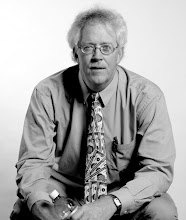
The 2012 Navajo Oral History project is complete. The students of Diné College and Winona State University that created the documentary films on the lives of Navajo elders, premiered their projects at receptions in mid-September on both campuses.
The students, working in collaborative teams during June 2012, provided service work for the elders, then researched, wrote, filmed, edited and produced documentary films about four Navajo Code Talkers, and one long-time employee at Diné College.
Those featured included Chester Nez, of Chichiltah, New Mexico, the last surviving member of The Original 29 Navajo Code Talkers. Chester was part of the first group of young Navajo men who were recruited into the US Marine Corps in 1942 to create a code, based on the Navajo language, for use in the Pacific Theater of World War II. Those Original 29 Code Talkers then took their code into battle. The code was never broken and surely helped shorten the war, save lives, and secure victory for the United States.
Other code talkers featured in the student documentary films are: Kee Etsicitty of Chichiltah, New Mexico; Samuel Tom Holiday of Kayenta, Arizona; and Joe Vandever Sr. of Haystack, New Mexico.
The Diné College employee featured is Agatha Spencer of Chinle, Arizona. Spencer was a new employee at Navajo Community College in 1968 as the first Tribal College in the U.S. was created. She has served as an admissions counselor and program coordinator for the school -- now known as Diné College -- since then.
The journalism project is part of a multi-year collaboration between Winona State University (Winona, Minnesota) and Diné College (Tsaile, Arizona). Through the Navajo Oral History project, students get real-world, in-the-field experience using and refining their journalism skills. They also learn across cultures, and help to document and save for historic purposes the life stories of Navajo elders. The project is directed by Dr. Miranda Haskie, professor of social and behavioral sciences at Diné College, and Dr. Tom Grier, professor of mass communication at Winona State University.
The finished documentaries were published to DVDs, copies of which were given to the families of the featured elders, and which are archived at the libraries of the two colleges and at the Navajo Nation Museum and Navajo Nation Library. The documentaries are also archived at the Smithsonian Institution's National Museum of the American Indian.
Copies of the DVD are available for purchase, with all funds from sales going to a scholarship fund at Diné College. Information about purchasing the DVDs is available from Tom Grier; email: tgrier@winona.edu.
To aid in the dissemination of the interesting and important stories of the elders, the videos have been made available for viewing via YouTube. Those interested can visit the YouTube web site and enter Navajo Oral History or the name of one of the elders into the search box and follow the link to the videos.
Planning and recruiting of students for the fifth year (summer 2013) of the Navajo Oral History project is already underway. Interested students should contact Prof. Haskie (mhaskie@dinecollege.edu) or Prof. Grier (tgrier@winona.edu).
------------------------------------------------
Links to the YouTube Videos:
Chester Nez Living History Film:
http://www.youtube.com/watch?v=xAlNguQju4Q
Kee Etsicitty Living History Film:
http://www.youtube.com/watch?v=fDh4v_sea3c
Samuel Tom Holiday Living History Film:
http://www.youtube.com/watch?v=8jZ_Z1s6G7s
Agatha Spencer Living History Film:
http://www.youtube.com/watch?v=bHR0kzRtZUw
Joe Vandever Sr. Living History Film:
http://www.youtube.com/watch?v=gf8IGiYN6JM
These Living History films are 15-20 minutes long. The shorter (3-5 minutes) Media Feature versions of the films are also posted on YouTube.
Showing posts with label Joe Vandever. Show all posts
Showing posts with label Joe Vandever. Show all posts
Wednesday, September 26, 2012


Wednesday, July 18, 2012
Documentaries Nearly Done
Every once in awhile, I check the analytics about this blog: things like how many people visit the blog, how long they stay, where they visit from-- geographically, etc. I can't see individual people or anything like that, so don't worry; your privacy is safe. I do see general aggregated data.
I've noticed many people have visited the blog during the past week... I imagine they are hoping to see drafts of the Navajo Oral History projects from summer 2012.
No drafts are available for viewing yet... but they're getting closer to being done.
Five journalism teams are doing documentary projects on five Navajo elders this summer. The teams are made up of students from both Winona State University (Winona, Minnesota) and Diné College (Tsaile, Arizona). The Winona students spent nearly three weeks in June on the Navajo Nation working with their teammates to research, plan, record, photograph, write, edit and produce the documentaries.
Since returning to Winona, the WSU students have continued to stay in touch with their Diné College counterparts via ITV, telephone, email, Skype and high-tech MetNet sessions where they watch video drafts and make edits together.
The teams have been working on a Living History documentary, 15-20 minutes in length, about their elder and his or her stories of life, family, work, etc. Each group is also producing a Media Feature, a 3-5 minute program, including one or two of the elder's most interesting stories.
To recap, the elders being featured this year are:
Kee Etsicitty, a Navajo Code Talker during World War II

(Photo by Stefani Schmidt)
Samuel Tom Holiday, a Navajo Code Talker during World War II

(Photo by Tom Grier)
Chester Nez, a Navajo Code Talker during World War II and the last of the Original 29 Code Talkers who helped develop the code

(Photo by Kaitlyn Haskie)
Agatha Spencer, a long-time employee, academic advisor and program coordinator at Diné College

(Photo by Kaitlyn Haskie)
Joe Vandever, a Navajo Code Talker during World War II

(Photo by Elisenda Xifra Reverter)
In each of the first three years of the Navajo Oral History project, we planned to feature one Code Talker, and one long-time or recently retired Diné College employee. For the fourth year of the project, during Summer 2012, organizers decided to feature several Navajo Code Talkers. This is partly due to a sense of urgency because these American heroes are leaving us too fast, and their stories deserve to be told.
Chester Nez of Albuquerque is the sole surviving member of The Original 29 Navajo Code Talkers. After those 29 helped create the code and test it in the field of battle, approximately 400 other code talkers served during World War II. Of those, estimates are that 30-40 are still alive and active in the Navajo Code Talkers Association.
That helps explain why four code talkers were focused on for the current year's projects.
The documentary projects should be complete by the end of this week (July 20, 2012). They will be checked and double-checked by the program's faculty members: Tom Grier, Miranda Haskie and Robbie Christiano. Once they are completely approved, DVD copies will be professionally duplicated and printed. This will take a few weeks to prepare the master DVDs and the printed materials and get them duplicated.
Reception and Premiere events are planned to show the finished films and to celebrate and congratulate the students' hard work. Once the films have been premiered at those reception events, copies of the Media Features will be available for viewing on the WSU Mass Communication Department's student feature web-site: Winona360.org. (Previous years' features are still available for viewing there.) The student groups may also post their documentaries on YouTube or other web sites.
The Winona reception is scheduled for Thursday, Sept. 13, at 5 p.m. (place on campus to be determined). The reception at Diné College's Tsaile, Arizona, campus will be held Monday, Sept. 17, at 5 p.m. in the Student Union Building.
At both receptions, there will be refreshments: snacks and beverages at Winona State; a full traditional Navajo meal at Diné College. Each student-produced film will be shown, followed by comments from the filmmakers. For the Diné College reception, the featured elders have been invited, and will have a chance to speak about their participation in the projects.
Please put these dates on your calendar and plan to attend one or both of the reception events. They are free and open to the public.
Following the receptions, DVD copies of the documentaries will be given to each featured elder and to all participating students. Copies will be archived at the Navajo Nation Museum, Navajo Nation Library and the libraries at both Winona State University and Diné College. The Winona Public Library will have copies. We're proud that the films will be archived at the Smithsonian Institution's National Museum of the American Indian.
Copies of the DVD featuring the full series of 2012 films will be available for sale at $20 each. The entire $20 from the sale of each DVD will go into a scholarship fund at Diné College.
One of the key points of the project is that the participating students sign an intellectual property release form, giving the rights to the documentaries to the Navajo Nation for all time. Students have agreed they won't make any money on the projects. Their hard work is a gift to the Navajo people. The documentaries will become important historical documents.
What the students do get is a sense of satisfaction that they are making a difference in the world. They also have the ability to use the projects in their own portfolios to show potential employers their abilities and cultural sensitivity.
More information about the receptions will appear here on the blog in the coming weeks. Soon after fall semester begins in August, the blog will become a place to promote participation in the fifth year of the Navajo Oral History project in Summer 2013.
Students who may be interested in participating next summer should contact WSU Professor Tom Grier (tgrier@winona.edu) or DC Professor Miranda Haskie (mhaskie@dinecollege.edu). There are a limited number of spaces open for students and they will fill quickly.
Thank you to all who have followed the blog throughout the summer. We appreciate your attention and support.
I've noticed many people have visited the blog during the past week... I imagine they are hoping to see drafts of the Navajo Oral History projects from summer 2012.
No drafts are available for viewing yet... but they're getting closer to being done.
Five journalism teams are doing documentary projects on five Navajo elders this summer. The teams are made up of students from both Winona State University (Winona, Minnesota) and Diné College (Tsaile, Arizona). The Winona students spent nearly three weeks in June on the Navajo Nation working with their teammates to research, plan, record, photograph, write, edit and produce the documentaries.
Since returning to Winona, the WSU students have continued to stay in touch with their Diné College counterparts via ITV, telephone, email, Skype and high-tech MetNet sessions where they watch video drafts and make edits together.
The teams have been working on a Living History documentary, 15-20 minutes in length, about their elder and his or her stories of life, family, work, etc. Each group is also producing a Media Feature, a 3-5 minute program, including one or two of the elder's most interesting stories.
To recap, the elders being featured this year are:
Kee Etsicitty, a Navajo Code Talker during World War II

(Photo by Stefani Schmidt)
Samuel Tom Holiday, a Navajo Code Talker during World War II

(Photo by Tom Grier)
Chester Nez, a Navajo Code Talker during World War II and the last of the Original 29 Code Talkers who helped develop the code

(Photo by Kaitlyn Haskie)
Agatha Spencer, a long-time employee, academic advisor and program coordinator at Diné College

(Photo by Kaitlyn Haskie)
Joe Vandever, a Navajo Code Talker during World War II

(Photo by Elisenda Xifra Reverter)
In each of the first three years of the Navajo Oral History project, we planned to feature one Code Talker, and one long-time or recently retired Diné College employee. For the fourth year of the project, during Summer 2012, organizers decided to feature several Navajo Code Talkers. This is partly due to a sense of urgency because these American heroes are leaving us too fast, and their stories deserve to be told.
Chester Nez of Albuquerque is the sole surviving member of The Original 29 Navajo Code Talkers. After those 29 helped create the code and test it in the field of battle, approximately 400 other code talkers served during World War II. Of those, estimates are that 30-40 are still alive and active in the Navajo Code Talkers Association.
That helps explain why four code talkers were focused on for the current year's projects.
The documentary projects should be complete by the end of this week (July 20, 2012). They will be checked and double-checked by the program's faculty members: Tom Grier, Miranda Haskie and Robbie Christiano. Once they are completely approved, DVD copies will be professionally duplicated and printed. This will take a few weeks to prepare the master DVDs and the printed materials and get them duplicated.
Reception and Premiere events are planned to show the finished films and to celebrate and congratulate the students' hard work. Once the films have been premiered at those reception events, copies of the Media Features will be available for viewing on the WSU Mass Communication Department's student feature web-site: Winona360.org. (Previous years' features are still available for viewing there.) The student groups may also post their documentaries on YouTube or other web sites.
The Winona reception is scheduled for Thursday, Sept. 13, at 5 p.m. (place on campus to be determined). The reception at Diné College's Tsaile, Arizona, campus will be held Monday, Sept. 17, at 5 p.m. in the Student Union Building.
At both receptions, there will be refreshments: snacks and beverages at Winona State; a full traditional Navajo meal at Diné College. Each student-produced film will be shown, followed by comments from the filmmakers. For the Diné College reception, the featured elders have been invited, and will have a chance to speak about their participation in the projects.
Please put these dates on your calendar and plan to attend one or both of the reception events. They are free and open to the public.
Following the receptions, DVD copies of the documentaries will be given to each featured elder and to all participating students. Copies will be archived at the Navajo Nation Museum, Navajo Nation Library and the libraries at both Winona State University and Diné College. The Winona Public Library will have copies. We're proud that the films will be archived at the Smithsonian Institution's National Museum of the American Indian.
Copies of the DVD featuring the full series of 2012 films will be available for sale at $20 each. The entire $20 from the sale of each DVD will go into a scholarship fund at Diné College.
One of the key points of the project is that the participating students sign an intellectual property release form, giving the rights to the documentaries to the Navajo Nation for all time. Students have agreed they won't make any money on the projects. Their hard work is a gift to the Navajo people. The documentaries will become important historical documents.
What the students do get is a sense of satisfaction that they are making a difference in the world. They also have the ability to use the projects in their own portfolios to show potential employers their abilities and cultural sensitivity.
More information about the receptions will appear here on the blog in the coming weeks. Soon after fall semester begins in August, the blog will become a place to promote participation in the fifth year of the Navajo Oral History project in Summer 2013.
Students who may be interested in participating next summer should contact WSU Professor Tom Grier (tgrier@winona.edu) or DC Professor Miranda Haskie (mhaskie@dinecollege.edu). There are a limited number of spaces open for students and they will fill quickly.
Thank you to all who have followed the blog throughout the summer. We appreciate your attention and support.
Wednesday, June 20, 2012
Day 16: More Interviews
Tuesday (June 19) was another eventful day during the 2012 Navajo Oral History Project at Diné College in Tsaile, Arizona.
Several of the student journalism teams stayed in the Diné College dorms and worked on their documentary videos featuring the life stories of Navajo elders.
One team and a few extra helpers went out to Haystack, New Mexico, to interview World War II Navajo Code Talker Joe Vandever for a second time. Joe was in good spirits as he met with the students in his hogan, offering jokes, telling stories, and giving advice to the journalists and their future readers or viewers.


After the interview, the student journalism team shot b-roll video of the Haystack Mountain that is in Joe Vandever's backyard, and Mount Taylor, one of the four sacred mountains in Navajo tradition, that is very close to his home.


Haystack Mountain

Mount Taylor
Later in the afternoon, the group had a chance to meet with hollywood film star Roger Willie, a Navajo from Thoreau, New Mexico, and a star in the 2002 Windtalkers film about Navajo Code Talkers during World War II.


Roger Willie was kind, humble and helpful as he described his role in the movie and the importance of telling the code talker's stories to a larger audience.
Back in the Diné College dorms for the evening, all groups were working on their projects.
Tomorrow (Wednesday, June 20, 2012) is the Winona State University students' last full day on the Navajo Nation. There will be a class session in the morning to look at draft material of the work-in-progress films and to plan for the next steps.
Next week the Winona State University students will be home in Minnesota and will meet with Diné College students on Monday, Wednesday and Friday via ITV sessions to view drafts and finish the films.
Premiere events for the student films are being planned for fall 2012, most likely the last week of September or the first week of October. When those dates are set, they will be publicized here on the blog and elsewhere. Those events are open to the public and will include refreshments, a showing of each of the films, and short speeches by the filmmakers.
Several of the student journalism teams stayed in the Diné College dorms and worked on their documentary videos featuring the life stories of Navajo elders.
One team and a few extra helpers went out to Haystack, New Mexico, to interview World War II Navajo Code Talker Joe Vandever for a second time. Joe was in good spirits as he met with the students in his hogan, offering jokes, telling stories, and giving advice to the journalists and their future readers or viewers.


Haystack Mountain

Mount Taylor
Later in the afternoon, the group had a chance to meet with hollywood film star Roger Willie, a Navajo from Thoreau, New Mexico, and a star in the 2002 Windtalkers film about Navajo Code Talkers during World War II.


Roger Willie was kind, humble and helpful as he described his role in the movie and the importance of telling the code talker's stories to a larger audience.
Back in the Diné College dorms for the evening, all groups were working on their projects.
Tomorrow (Wednesday, June 20, 2012) is the Winona State University students' last full day on the Navajo Nation. There will be a class session in the morning to look at draft material of the work-in-progress films and to plan for the next steps.
Next week the Winona State University students will be home in Minnesota and will meet with Diné College students on Monday, Wednesday and Friday via ITV sessions to view drafts and finish the films.
Premiere events for the student films are being planned for fall 2012, most likely the last week of September or the first week of October. When those dates are set, they will be publicized here on the blog and elsewhere. Those events are open to the public and will include refreshments, a showing of each of the films, and short speeches by the filmmakers.
Tuesday, June 19, 2012
Day 15: Interviewing Navajo Code Talker Joe Vandever
The Navajo Oral History project continued Monday (June 18, 2012) with a drive to Haystack, New Mexico, to meet Joe Vandever, a Navajo Code Talker during World War II.

Joe Vandever - photo by Elisenda Xifra Reverter
The project team working on a documentary film about Joe's life includes Shannon Bolte and Joel Farber from Winona State University, and James McKenzie and Shawn Tsosie, Diné College students.

The group interviewed Joe for nearly two hours and enjoyed a nice lunch with him.


After lunch, the group had their pictures taken with Joe.


On the drive back to the Diné College campus in Tsaile, Arizona, the documentary team stopped to shoot some B-Roll video at Fort Wingate, New Mexico, and at the Window Rock Tribal Park.


The group will meet with Joe again on Tuesday (June 19) and will also meet with Navajo film actor Roger Willie who was a star in the film "Windtalkers" also starring Nicolas Cage, Adam Beach and Christian Slater.
Vernon and Miranda Haskie know Roger Willie personally and were able to arrange the interview, with Willie talking about the film and the friends he made with Code Talkers as part of his preparation for the film role.
To help the group prepare for the meeting, Vernon and Miranda brought a VCR and television screen to the Diné College dorm, and we watched "Windtalkers."
It was a nice evening. Everyone is heading to bed early (except your blog editor), so we can be fresh for another day on the road and interviews.

Joe Vandever - photo by Elisenda Xifra Reverter
The project team working on a documentary film about Joe's life includes Shannon Bolte and Joel Farber from Winona State University, and James McKenzie and Shawn Tsosie, Diné College students.

The group interviewed Joe for nearly two hours and enjoyed a nice lunch with him.


(Above 4 photos by Elisenda Xifra Reverter)


(Above six photos by Laura McCormick)


The above two photos by Robbie Christiano show a funny moment when Joe Vandever was having his picture taken with WSU student Eli Xifra, who is from Gerona, Spain. Joe said, "Buenos Tardes, Amiga" and Eli laughed, then he asked when he could visit Spain with her.

Joe Vandever signs Prof. Tom Grier's copy of the Navajo Warriors book. (photo by Laura McCormick)


(Above five photos, featuring Joe Vandever with (in order top to bottom): Shannon Bolte, Liam Krause, Christine Willie, Prof. Miranda Haskie, and Teaching Assistant Robbie Christiano; all by Elisenda Xifra Reverter.)

(Fort Wingate Main Gate, photo by Elisenda Xifra Reverter)

(Fort Wingate Dispensary, Interview Team shooting B-Roll video; photo by Laura McCormick)


(above two photos by Elisenda Xifra Reverter)
Vernon and Miranda Haskie know Roger Willie personally and were able to arrange the interview, with Willie talking about the film and the friends he made with Code Talkers as part of his preparation for the film role.
To help the group prepare for the meeting, Vernon and Miranda brought a VCR and television screen to the Diné College dorm, and we watched "Windtalkers."
It was a nice evening. Everyone is heading to bed early (except your blog editor), so we can be fresh for another day on the road and interviews.
Monday, June 18, 2012
Day 14: Canyon de Chelly -Spider Rock
Since the Navajo Oral History project group didn't get back to the dorms until after 2 a.m. on Saturday night (Sunday Morning), everyone slept late on Sunday (June 17, 2012) and we had a "catch-up" day.
Many groups met to talk about their transcriptions and begin planing the narration for their documentary videos.
In the afternoon, we took a trip to Chinle, Arizona. We made a quick stop at Changing Woman Coffee, a cool little shop right at the mouth of the canyon for coffee or smoothies.

Then, the group visited the Spider Rock overlook into Canyon de Chelly National Monument.


After a quick stop at the local grocery store, we returned to campus where we all enjoyed a delicious stir-fry and eggroll meal made by Stefani Schmidt, with help from some of her classmates.
The group of Winona State University and Diné College students who are on schedule to interview Navajo Code Talker Joe Vandever on Monday, had a long, intense meeting in the late afternoon where they went over everything to make sure their interview goes well.

Because of Joe Vandever's schedule, this group is doing their first interview with him on Monday. That's quite a bit behind the other groups... but these students (Shannon Bolte, Joel Farber, James McKenzie and Shawn Tsosie) are very well prepared and will no doubt have a good day of interviewing and shooting b-roll video.
After dinner, a small group walked around the Diné College campus and played a short round of disc golf. (Sorry no photos ... I was too serious about throwing well, forgot the camera.)
Now, it's time to get a bit philosophical and thoughtful. Why are we here? What is this all about?
If you've been following the blog, you already know the Navajo Oral History project is about: a.) cultural exchange and understanding, b.) practicing and honing journalism skills, and c.) telling important, factual stories about Navajo elders that will stand the test of time.
More than that, but in an un-stated way, this program is about developing something inside each participant. It's about growth as a human being, as a member of the larger world community, as a respectful, thoughtful, kind and caring person. It's difficult to put that in a course description or class syllabus. Nonetheless, this kind of thing is happening day by day here on the Navajo Nation.
As the professor and leader of the class, I see the subtle changes in the students. I'm sure the student's friends and loved ones will sense changes in them also.
Now that they have spent two weeks on the Navajo Nation, I asked the students to spend a few minutes and write a line or two about whatever they wanted to say about the trip. Here's what some of them wrote:
Being involved in this project has opened my eyes to the Navajo culture. They welcome us into their lives and homes and make you feel like a member of their family. I have grown so attached to this place in the few weeks that we have been here.
-- Shannon Bolte
Not even a year ago my mindset was totally different in the ways I viewed Native American culture. Hearing, preparing, and now even taking part in this project has completely opened my eyes to how naïve I was. During this trip, I was able to see and experience life on the reservation. Being here has enabled me to understand the challenges that the Diné people had to-- and still have to-- overcome. I hate seeing the negative footprints that the early Americans and poorly officiated government entities leave here in the Navajo Nation. I believe that the Navajo Oral History Project is one small step in the direction of mending both cultures and I am glad to be a part of it.
-- Joel Farber
Our group has such a variety of personalities that work in such a unique way. The people here are making this once in a lifetime experience even better. I only hope I can keep the relationships I have gained from this trip after our departure from the Navajo Reservation.
-- Kelsey Foss
Living on the reservation has been a real eye-opening experience for me. The Navajo people have welcomed us with open arms since day one, despite having every reason to be wary of outsiders. I feel honored having been welcomed into their homes and being allowed to take part in traditional ceremonies. I have made connections here that I am sure I will never forget. The scenery is wonderful and just being in the presence of these true American heros, the Navajo Code Talkers, has been one of the most humbling experiences of my life. If given the chance to take part in this project again, I wouldn't hesitate.
-- Liam Krause
This trip was an exceptional, once in a lifetime experience for a few reasons. It was an opportunity for students to be submerged in real-life journalism, telling stories of people and a culture who matter. I learned a vast amount about personal character and being humble from the elder my group was assigned, Chester Nez. He experienced hardship and triumph growing up on the Navajo Reservation where his family's livestock was burned and killed by the government. He was punished in boarding school for speaking in his Navajo language. But still, he later volunteered for the Marine Corps and defended his country (under that same government) on the front lines of WWII as one of the Original 29 Navajo Code Talkers, where he aided in creating a code that helped the U.S. win the war against the Japanese. He married and had a family, but lost three of his children, and his spouse. Yet, he still says his life was 100% and he's so happy to have helped his country. Talk about a humble man. Meeting Chester and the other elders, and creating these documentaries with our team from Winona State University and Diné College has been the most rewarding experience of my entire life. I can't wait to see everyone's final projects and share them with the families (and the stars!) at the premiere in the fall. Thank you to Tom, Miranda and Robbie for putting together such a wonderful trip. It brings a tear to my eye that the trip has come to an end. Thank you to everyone on the Navajo Reservation who made us feel welcome and at home. Best of luck to all as we complete our documentaries via ITV sessions from Winona to Tsaile. I've learned a lot on this photojournalism trip, but most importantly, to forever "Walk in Beauty". ♥
-- Kelly Kusilek
Living on the Navajo Reservation has been a very eye-opening experience for me. While getting to know the elders, I've learned that life should be measured by the amount of love surrounding us, not by wealth or fortune.
-- Sammi Luhmann
Navajos are some of the most caring and appreciative people I have ever met. Their culture and history run thick like blood through them and the opportunity not only to learn but also to participate in some of their beliefs and traditions is a privilege that I will be forever grateful for.
-- Laura McCormick
I never thought such an amazing place could exist a few states away. I've spent so much time wanting to travel the world but after this I want to see even more of America, and especially return to the Navajo Nation. I'm extremely grateful because I was introduced to so many wonderful people and saw beautiful places everyday.
-- Stefani Schmidt
For me the ceremony was an experience in which I will remember forever. During the songs, I could relax and think about my stuff, organize my mind, and dedicate a few prayers to the people I love and to those who are no longer here. There was a lot of people in the hogan, but when I closed my eyes I could only hear the chants and my thoughts. I don't know how to explain what I felt but it was a very interesting feeling. It was like a mix of trance and good feeling. When we finished, I felt better and had a calmness within me.
-- Elisenda Xifra Reverter
(The professor's heart swells with pride... all that is hoped for from this journey is coming to fruition: excellent documentaries and student growth -- but more than that -- human growth and compassion for people very different from oneself.)
Many groups met to talk about their transcriptions and begin planing the narration for their documentary videos.
In the afternoon, we took a trip to Chinle, Arizona. We made a quick stop at Changing Woman Coffee, a cool little shop right at the mouth of the canyon for coffee or smoothies.

Then, the group visited the Spider Rock overlook into Canyon de Chelly National Monument.


(above four photos by Sammi Luhmann)

The last photo above is of a dead oak tree that clings to a rock above the Spider Rock overlook. Prof. Tom Grier photographs this tree every time he visits the Canyon. He has about 500 images of this tree... Something about the tree says tenacity and life in a stark and unforgiving high desert location. The tree reminds Grier of the Navajo People: Through adversity and lack of resources, they remain resilient, beautiful and valuable.
The group of Winona State University and Diné College students who are on schedule to interview Navajo Code Talker Joe Vandever on Monday, had a long, intense meeting in the late afternoon where they went over everything to make sure their interview goes well.

Because of Joe Vandever's schedule, this group is doing their first interview with him on Monday. That's quite a bit behind the other groups... but these students (Shannon Bolte, Joel Farber, James McKenzie and Shawn Tsosie) are very well prepared and will no doubt have a good day of interviewing and shooting b-roll video.
After dinner, a small group walked around the Diné College campus and played a short round of disc golf. (Sorry no photos ... I was too serious about throwing well, forgot the camera.)
Now, it's time to get a bit philosophical and thoughtful. Why are we here? What is this all about?
If you've been following the blog, you already know the Navajo Oral History project is about: a.) cultural exchange and understanding, b.) practicing and honing journalism skills, and c.) telling important, factual stories about Navajo elders that will stand the test of time.
More than that, but in an un-stated way, this program is about developing something inside each participant. It's about growth as a human being, as a member of the larger world community, as a respectful, thoughtful, kind and caring person. It's difficult to put that in a course description or class syllabus. Nonetheless, this kind of thing is happening day by day here on the Navajo Nation.
As the professor and leader of the class, I see the subtle changes in the students. I'm sure the student's friends and loved ones will sense changes in them also.
Now that they have spent two weeks on the Navajo Nation, I asked the students to spend a few minutes and write a line or two about whatever they wanted to say about the trip. Here's what some of them wrote:
Being involved in this project has opened my eyes to the Navajo culture. They welcome us into their lives and homes and make you feel like a member of their family. I have grown so attached to this place in the few weeks that we have been here.
-- Shannon Bolte
Not even a year ago my mindset was totally different in the ways I viewed Native American culture. Hearing, preparing, and now even taking part in this project has completely opened my eyes to how naïve I was. During this trip, I was able to see and experience life on the reservation. Being here has enabled me to understand the challenges that the Diné people had to-- and still have to-- overcome. I hate seeing the negative footprints that the early Americans and poorly officiated government entities leave here in the Navajo Nation. I believe that the Navajo Oral History Project is one small step in the direction of mending both cultures and I am glad to be a part of it.
-- Joel Farber
Our group has such a variety of personalities that work in such a unique way. The people here are making this once in a lifetime experience even better. I only hope I can keep the relationships I have gained from this trip after our departure from the Navajo Reservation.
-- Kelsey Foss
Living on the reservation has been a real eye-opening experience for me. The Navajo people have welcomed us with open arms since day one, despite having every reason to be wary of outsiders. I feel honored having been welcomed into their homes and being allowed to take part in traditional ceremonies. I have made connections here that I am sure I will never forget. The scenery is wonderful and just being in the presence of these true American heros, the Navajo Code Talkers, has been one of the most humbling experiences of my life. If given the chance to take part in this project again, I wouldn't hesitate.
-- Liam Krause
This trip was an exceptional, once in a lifetime experience for a few reasons. It was an opportunity for students to be submerged in real-life journalism, telling stories of people and a culture who matter. I learned a vast amount about personal character and being humble from the elder my group was assigned, Chester Nez. He experienced hardship and triumph growing up on the Navajo Reservation where his family's livestock was burned and killed by the government. He was punished in boarding school for speaking in his Navajo language. But still, he later volunteered for the Marine Corps and defended his country (under that same government) on the front lines of WWII as one of the Original 29 Navajo Code Talkers, where he aided in creating a code that helped the U.S. win the war against the Japanese. He married and had a family, but lost three of his children, and his spouse. Yet, he still says his life was 100% and he's so happy to have helped his country. Talk about a humble man. Meeting Chester and the other elders, and creating these documentaries with our team from Winona State University and Diné College has been the most rewarding experience of my entire life. I can't wait to see everyone's final projects and share them with the families (and the stars!) at the premiere in the fall. Thank you to Tom, Miranda and Robbie for putting together such a wonderful trip. It brings a tear to my eye that the trip has come to an end. Thank you to everyone on the Navajo Reservation who made us feel welcome and at home. Best of luck to all as we complete our documentaries via ITV sessions from Winona to Tsaile. I've learned a lot on this photojournalism trip, but most importantly, to forever "Walk in Beauty". ♥
-- Kelly Kusilek
Living on the Navajo Reservation has been a very eye-opening experience for me. While getting to know the elders, I've learned that life should be measured by the amount of love surrounding us, not by wealth or fortune.
-- Sammi Luhmann
Navajos are some of the most caring and appreciative people I have ever met. Their culture and history run thick like blood through them and the opportunity not only to learn but also to participate in some of their beliefs and traditions is a privilege that I will be forever grateful for.
-- Laura McCormick
I never thought such an amazing place could exist a few states away. I've spent so much time wanting to travel the world but after this I want to see even more of America, and especially return to the Navajo Nation. I'm extremely grateful because I was introduced to so many wonderful people and saw beautiful places everyday.
-- Stefani Schmidt
For me the ceremony was an experience in which I will remember forever. During the songs, I could relax and think about my stuff, organize my mind, and dedicate a few prayers to the people I love and to those who are no longer here. There was a lot of people in the hogan, but when I closed my eyes I could only hear the chants and my thoughts. I don't know how to explain what I felt but it was a very interesting feeling. It was like a mix of trance and good feeling. When we finished, I felt better and had a calmness within me.
-- Elisenda Xifra Reverter
(The professor's heart swells with pride... all that is hoped for from this journey is coming to fruition: excellent documentaries and student growth -- but more than that -- human growth and compassion for people very different from oneself.)
Subscribe to:
Posts (Atom)